Angga: A Handwritten Font for Creative Web Design
As a web designer, I’m always on the lookout for fonts that can elevate a digital experience without sacrificing clarity or usability. Angga, a premium handwritten font from Script Amp, has quickly become one of my go-to choices for adding personality and visual interest to website headers, hero sections, and branded elements.
First Impressions: A Modern Twist on Calligraphy
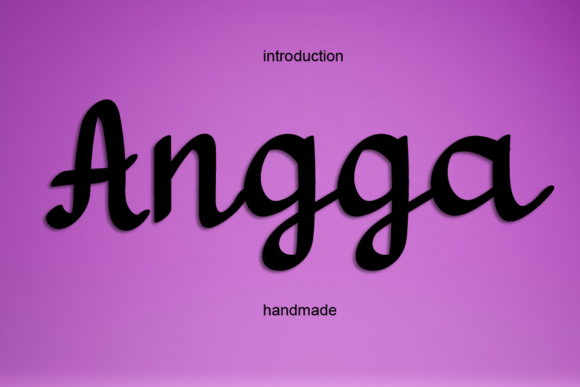
When I first opened the font file, I was struck by how effortlessly Angga balances elegance with modernity. It carries subtle calligraphic influences, but the overall feel is fresh and approachable. The curves are fluid yet controlled, and the weight feels just right for display use—never too ornate, never too plain.
I tested it on a landing page for a boutique online store, using it for the main headline and CTA button. The result was instantly appealing. It added a personal touch that felt authentic, like a signature or hand-painted text, without being overly decorative.
Web Usability: Readability and Responsiveness
One of the key concerns when using a script or handwritten font in web design is readability, especially at smaller sizes. Angga handles this well. On mobile screens, it remains legible even when used for short phrases or headings. I tested it on a dark background with a light overlay and found that it maintained good contrast and visual clarity.
For responsive layouts, I placed Angga over an image banner on a product landing page. The font didn’t get lost in the background, and its organic shape complemented the visual storytelling of the image. It worked equally well on desktop and mobile, which is a big plus for cross-device consistency.
Design Applications: From Headers to Branding
Angga shines in areas where visual impact matters most. I used it for a creative portfolio site’s hero section, pairing it with a clean sans serif for the body text. The contrast was effective—Angga brought energy to the header, while the sans serif kept the rest of the content easy to scan.
On a coaching website, I experimented with using Angga for section headings and subheadings. It added a sense of warmth and professionalism that matched the brand’s tone. I also tried it on a course sales page as a heading for a featured module, and it felt natural and inviting.
For a digital brand kit, I included Angga in the logo design. Its soft, flowing strokes gave the logo a friendly yet polished look. It worked well in both large and small applications, from social media profile pictures to email signatures.
Limitations: When Not to Use Angga
While Angga is versatile, it’s not ideal for every use case. I wouldn’t recommend it for long paragraphs of body text, especially on sites with dense information. It can become hard to read when used in small sizes or on low-contrast backgrounds.
It also isn’t the best choice for navigation menus, form labels, or accessibility-heavy interfaces. In those cases, a simpler sans serif or serif font would be more appropriate. That said, Angga can still be used effectively as a decorative accent or for short, impactful phrases.
Font Pairing: Balancing Style with Clarity
Pairing Angga with other fonts can help create a balanced and cohesive design. I often pair it with a clean sans serif like Lato or Open Sans for body copy. This creates a nice contrast between the handwritten style and the structured, modern typography.
For editorial-style websites, I’ve paired it with a simple serif font like Georgia or Merriweather. The combination gives a classic, elegant feel that works well for blogs, magazines, or portfolio sites.
If you’re designing a bold, playful website, you might consider pairing Angga with a strong display font or a hand-drawn typeface. Just be mindful of not overcrowding the visual hierarchy.
Final Thoughts: A Versatile Asset for Web Designers
Angga is more than just a pretty font—it’s a tool that can enhance the emotional appeal of a website while maintaining usability. Whether you're working on a creative portfolio, an online store, or a digital brand identity, it offers a unique way to express personality and style.
Before using it on client projects or public-facing websites, make sure to check the available styles, weights, and licensing options. Angga supports multilingual characters, which is a great feature for global audiences.
Overall, Angga is a standout choice for web designers looking to add a human touch to their digital work. It’s flexible, readable, and visually compelling—perfect for creating engaging and memorable online experiences.